The clock on the chest of drawers dreamily struck half ten at nightan odd hour in the waking world, but here, nothing made sensewhen Thomas, having only just shrugged off his dressing gown, heard the ring of his mobile dissolve into the night air, as if the call itself were an urgent shadow speeding across London rooftops.
His mothers voice oozed from the receiver: cool, metallic, suffused with that English steadiness which, in dreams, is more cutting than a scream. Have you lost your senses entirely, Thomas? Mrs. Finlay from next door saw you in the tea shop on Regent Street with her. She said you were feeding her like a child. With a spoon.
Thomas held the phone in the crook of his shoulder, fumbling for his coat. I wasnt feeding her with a spoon, Mum. We were having souptogether.
Dont be clever. You know how it looks? A young doctor, brilliant surgeon at twenty-seventrailing a wheelchair in every restaurant. The whole place was watching.
Mum
Just think, Thomas. As your mother to her grown son: think once, properly, for yourself and your future. Your hands are gold, Dr. Hardcastle praised you at rounds. Think where this goes, with a wife like that
Shes not my wife. Yet.
A pause, as brittle as glass.
What do you meanyet?
Thomas eased through the door, holding the latch to keep the sound from waking the house mannequins that surely lived in his dream stairwell. I mean Im going to see her, Mum. Goodnight.
He cut the call before she could reply, marvelling at the dry courage. Six months ago he wouldve listened for twenty minutes, agreed, promised to think, retreated to the kitchen for tea that tasted of dishrags and defeat.
Hed met Sophie Cartwright quite by accident, or maybe thats how fate works in dreamssent to a medical conference in Manchester when a colleague fell ill. She was third row, tablet in lap, wheelchair gleaming, calmly disagreeing with the presenter about accessible city spaces. Not angry, not wounded, just precise, as if she was pegging out the facts on a windy day. The presenter wilted. Thomas, spellbound by her clarity, wondered where hed last met someone so unshakeable.
She was twenty-five. A car crash at eighteentoo much rain, an unfamiliar driver, bones turned to glass. Months in hospital, years in the wilderness, thenacceptance, a new sort of life. She told him all this on their third date over fish pies. As if she were recounting an old dream, stored on the attic shelf.
It was horrendous, the first two years, Sophie said then. Then one day, the choice was live or dont. Simple, but it takes years to arrive.
She worked as an interior designer, everything remote. Clients in four citiesLondon, Bristol, Bath, Cambridgeand a portfolio Thomas leafed through with respect (and some envy; hed never had the knack for beauty). Ground floor flat, new build, no thresholds, doors wide as the Thames. Her parents lived just a short bus ride away, visiting weekends, helping with groceries but never fluttering or phoning three times daily. Her mother, Julie, baked pasties and grilled Thomas about his surgeries with baffling, honest warmth. Her father, David, shook Thomass hand upon meeting: Were glad, he said simply, and Thomas knew he meant it, no fine print.
His mother, Margaret Hughes, learned about Sophie in month four. Hed kept it secret, aware this was unfair, unsure of his own heart. When certainty arrived, he phoned her. The call dragged on for forty minutes.
Do you understand what a life with someone in a wheelchair is? Its not a storybook. Its every day, Thomas. Steps, hospitals, dependence
Shes independent, Mum.
Thats now. What about children? Who looks after whom when youre old?
Im twenty-seven, Mum.
At your age you should think of the future, not romantic daydreams! You, of all peoplea doctoryou know the consequences.
I do. He kept the level tone. Thats why I know hers is a stable injury, not an illness. Shes healthy, just living a certain way. Thats all.
Margaret retorted, voice sharp as a splinter: Thats what they teach you, now? Everythings special, all perfectly normal. Then people build lives on special and end up brokenhearted.
He refused to let her finish him this timefor the first time in years.
Margaret Hughes was a disciplined woman, always as neat as the china in her cabinet, widowed eight years, chief accountant at a construction firm. She was used to being heard. Thomas had been just fifteen when his father diedheart failure late one springand that unhealed grief had turned inside her, solidifying her core. She wasnt cruel, but she was often scared, and would never say it.
Thomas understood the mechanism. Understanding doesnt soften the experience.
Sophie let him in pressing a button from her phone (her flat lock, ever practical). The kitchen was lemon-bright; shed just set the kettle. She call you? Sophie asked, not turning round.
How did you know?
Your face looks like youve been eaten and spat out.
He slumped at the table, rubbing his nose. Mrs. Finlay saw us at the café.
Oh heavens. She set his mug down. Should we introduce her to my Auntie Brenda? Theyd enjoy cataloguing everyones business together.
Her dry wit dissolved his tension, not by trivialising but by tilting his perspective. He grinned, not out of humour but necessity.
She said, yet. I told her youre not my wife yet. It just slipped out.
Sophies mug paused mid-air. And?
She went silent. I hung up before she could react.
She regarded him with that keen steadiness of hers, lips pursed, thumbs picking at chipped polish. Serious, then? The yet part?
He studied her: messy auburn hair, hands with half-worn varnish, a face that watched rather than performed. Yes. Serious.
She nodded. No theatrics. Then youll need to talk to her. For real this time. Not vanish.
I know.
I wont pretend its easy. Sophie hugged her mug. Ive known women like your mum. My old flatmates mother-in-law bled her dry in three years. Quietly, drip by drip, while her son let her do it.
Ill notice.
Will you?
He tried to be honest. Trying.
She waited, then nodded again. Go on, drink your tea. Ill show you my new project. The client wants a Scandinavian loungewhite wood everywhere, and shes got three kids and a dog. I cant explain why thats a disaster.
He sipped tea, watching her scroll her tablet, her laughter at the outlandish briefs, thinking hed never believedsix months agothat it was possible to sit in anothers kitchen and feel properly at home.
His mums next call came three days later, softer, uncertain: Thomas, darling, I dont want us to quarrel. Youre everything to me. I just worry.
I know, Mum.
Come round Sunday. Ill bake that lamb pie you love.
He went, ate pie, endured questions: job, savings, Sophies parents, And, well, how is she, healthwise, you know what I mean
Shes medically stable, Mum. Its a spinal injury, not a degenerative illness.
But, children…
Possible. Weve discussed it with doctors.
Youve already talked to doctors? Youve only known her, what, four months?
Five. Yes, we talked. We needed to know the future.
Margaret started fussing with the platesher trademark pause to stop herself from saying more than intended.
At the sink, she finally spoke, quiet: Thomas, Ive seen people take on more than they can bear. Your father was ill three years; I know what that means. Not just lovefear, exhaustion, guilt. Is this what you want?
Silence. It was her strongest argument, and she knew it. He couldnt dismiss his dads death, that long twilight he remembered even as a boy.
Shes not ill, Mum, he replied at last, low. This is different from what youre describing.
Thats what you think for now.
He left without a row, but something inside shifted. He saw now she wasnt just objectingshe was strategising. Gathering her evidence.
He didnt find out right away that his mum had messaged Sophie. A week later, as if unaware, Sophie mentioned it over supper. Your mum reached out.
Thomass fork paused. What?
Through Facebook, I think. Found me via mutuals. Perfectly politeasked if we could meet, just the two of us, woman to woman.
You replied?
I said not without you. She wrote back saying she understood, then nothing.
He studied Sophies inscrutable face. Did you mind?
Im just… interested. I never pictured myself as something to be feared. Thought Id end up an object of pity. But thisshes frightened, not just sorry for me.
Shes scared of losing me.
Same difference.
The weeks blurred, odd colors swirling dreamlike: good days mingled with bad until Thomas stopped keeping score. Goodan exhibition where Sophie presented her designs; her luminous explanations to clients thrilled him. Cinema trips. Plates chosen togetherSophie decreed navy blue, surprisingly, and he agreed, though previously hed thought any crockery would do.
Badhis mothers calls: sly comparisons (Did you hear? Emily Watson, that lively healthy girl, just wed!), meddlesome offers to just see a family counsellor, and worst, the soft crying down the line.
She cried, hed tell Sophie after.
I know. Its a tool, too. Not fakejust learnt that it works.
Its hard, though.
So it should be. Shes your mum. Hard isnt the same as wrong.
By October, Margaret invited them both to Sunday lunch. A proper family gatheringAunt Jean from Oxford, Uncle Geoff, cousin Mary and her husband. Ive long meant to have everyone together. Bring Sophie, if you like.
Thomas sensed an oily trick in the invitation but couldnt voice it.
She wants us on display? he asked Sophie.
She says she wants a proper introduction.
You believe her?
Not really. If you refuse, shell say youre ashamed. If you agreeshell compare and pit.
Youve read about this?
Ive seen it. Its a classic. A big audience to keep you from making a scene.
He paced the kitchen, uneasy.
Maybe Im being paranoid.
Maybe. But you asked my take.
Youll come?
If you want me there, yes. But I wont bite my tongue if she starts. Just warning.
Im not asking you to.
You dont know what youll askyet.
Truth. He didnt argue.
Lunch was Saturday at one. Margarets flat: fifth floor in an aged London block. The lift worked, but to reach itthree steps, no ramp.
Ill get up the ramp, Sophie said in the car.
There isnt one. Three steps.
I checked. Would you help me?
Thomas bit his tongue.
She did this on purpose
Who knows? Maybe it just didnt cross her mind. No tragedy nowjust help me up, well go in.
She guided her chair up the steps, Thomas gripping the back a little too hard.
Aunt Jean opened the door, hearty in her apron: Come in, come inMargaret, theyre here! She eyed the wheelchairflinched, but covered it with bustle. Not malice, just confusion.
Other relatives milled inside: Aunt Brenda, cousin Mary and her husband Peter. Mary was the sort to smile and judge in the same breath.
And seated on the edge of the setteea young woman Thomas had never met.
About 25, fair-haired, prim pink jumper. She watched him with a demure smile and pinkening cheeks. And Thomas realisedbefore his mother emerged from the kitchenthat this was a show.
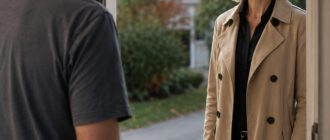
Margaret appeared, voice homely: Thomas, glad you came. This is EmmaEmma Walker, my colleagues daughter, just relocated nearby. Shes a nurse at the clinic.
One delicate pause. He felt Sophie square her shoulders beside him.
Hello, Sophie said, calm. Im Sophie.
Margaret visually mapped the wheelchair, then Sophie, then reserve slid back over her features. Good afternoon. Lets get you seated. Lunch is ready.
Table for ten, but no seat removed for Sophie. Thomas pushed one aside for her. Aunt Brenda fussed with bread baskets, filling the air with nervous energy.
Do you work? Mary asked, all polite society.
Interior designerremote, replied Sophie.
Oh, nice. Many clients?
Enough.
How convenient, Mary chattered, sympathy wafting off her like lavender water. Working from home…
I enjoy itand I do site visits for measurements.
How do you…? Aunt Brenda faltered.
Car. Hand controls. I drive myself.
Aunt Brendas mouth worked, closed. Peter gazed into his mash.
Margaret served soup, pouring Emmas first.
Emma, youre studying nursing still?
Second year. Emmas voice fluttered.
A sound profession. Thomas, dont you have nurse shortages at the hospital?
Mum
Im just asking.
No need.
Silence. Emma stared into her soup. Sophie ate quietly, Thomas saw the effort in her composure.
Margaret continued, levelly: And your parents, Sophie? They dont worry? You living alone…
They do, as any parents would. But Ive lived independently six years now. Theyre used to it.
Six yearssince…
Yes.
And managing yourself? Flat, cooking, everything?
All adapted. I cope fine.
But what if youre unwell? Fever, say, or something major?
Mum Thomass voice was different now.
Margaret turned to him, features serenity distilled, I worry. Im allowed to. My son will be doctor, husband, carer all in one. Is that normal?
Sophie interrupted, tone like the hush in a church: I dont require a carer. Nor does Thomas.
Dear, Im not trying to offend.
You didnt offend. Just inaccurate. I see the difference.
Margarets gaze lingered. Sophie didnt look away.
Youre…certain, said Margaret at last.
I try to be.
Aunt Jean, valiantly, launched into gardening talk: apple trees failed this year, Peter joined in, relief all over his face.
Margaret served main course and segued anew: Thomas, I hear Dr. Wilkins is hiring at the new private centre in Clapham. Good salary, career prospects. You thought about it?
I have, yes.
Important for a family. Financial stability, especially with…special circumstances.
What circumstances? Sophie asked.
Well, Margaret paused delicately, costswheelchair, equipment, medical
I pay my own expenses, Sophie said. Thomas hasnt paid for me.
For now.
What do you mean, for now?
Well, loveyou know. When theres a joint account…
My earnings suffice. I can show my tax returns.
A cough from Peter.
Margaret gave a fine little smile. I dont doubt your capabilities. But life happens. Sickness, operations. Thomas, dyou remember your fathers illness? I managed two jobs, care at home. I know what its like.
Mum, its not relevant.
I thought so, too.
Thomas put down his knife. Mum.
Yes?
Enough.
I just discuss real life.
Noyou talk as if Sophie is an object to be inspected. Like youre gauging her flaws.
Aunt Jeans fork chimed against china. Aunt Brendas hands folded severely.
Im your mother, Thomas, Im entitled
To your opinion. Not to insult a guestat your, not my, table.
Ive insulted no one, Margaret replied icily. Merely conversing. Adult to adult.
Noyouve belittled Sophie three times in an hour. Silently, pleasantlybut its the same.
Margaret stared at him. Then at Sophie.
My company offends you? she addressed Sophie.
Some of your questions, yes. But I understand the source.
Which is?
Youre frightened. Of losing your son. Thats natural.
Margaret considered.
Are you a psychologist?
No. Just a person.
You suppose you understand my feelings.
I think you care for Thomas. I think that now, your care looks like trying to keep him close. Keeping and cherishing are different.
Silence. Emma stared into plate. Peter traced patterns on the cloth. Mary froze, spoon arrested midair.
Margaret rose. Ill fetch tea.
She left. Conversation limped alongweather, bread, garden pests.
When the tea came out, Margaret addressed no one in particular: I hear people with…such disabilities often struggle with pregnancy. Thomas, as a doctor, you must know that?
Thomas pushed his cup away. Fixed his mother. Stand up, he murmured to Sophie.
Thomas
No, wait. He stood, speaking calm and clear as a bell rung at evensong: Mum, I want youand everyoneto hear this. No retellings or half-versions.
Margaret stared.
Sophie Cartwright is the woman I love, who I intend to share my life with. Not because I pity her, not in spite ofI love her for wit, honesty, warmth. She makes me better. My choice is made, considered, and mine. Im not pressured; Im not deluded.
He paused.
Today you implied Sophie is less than whole, a burden, a problem. You invited another woman here his glance darted to Emma, who shrank and thats cruel to her as well. You did it all sweetly, quietly, and thats worse than shouting.
Margarets fingers clenched on the table.
I love you, Mum. Youve given me everything. But I cant let you do what youve done today. If you want a place in my lifeour lifeyou must accept Sophie. Not honeymoon acceptance, not silent suffering. Actual acceptance. If not, thats your choice. The consequences are yours.
He sat.
The room was desperately silent. Aunt Brenda sighed. Peter offered Thomas the bread.
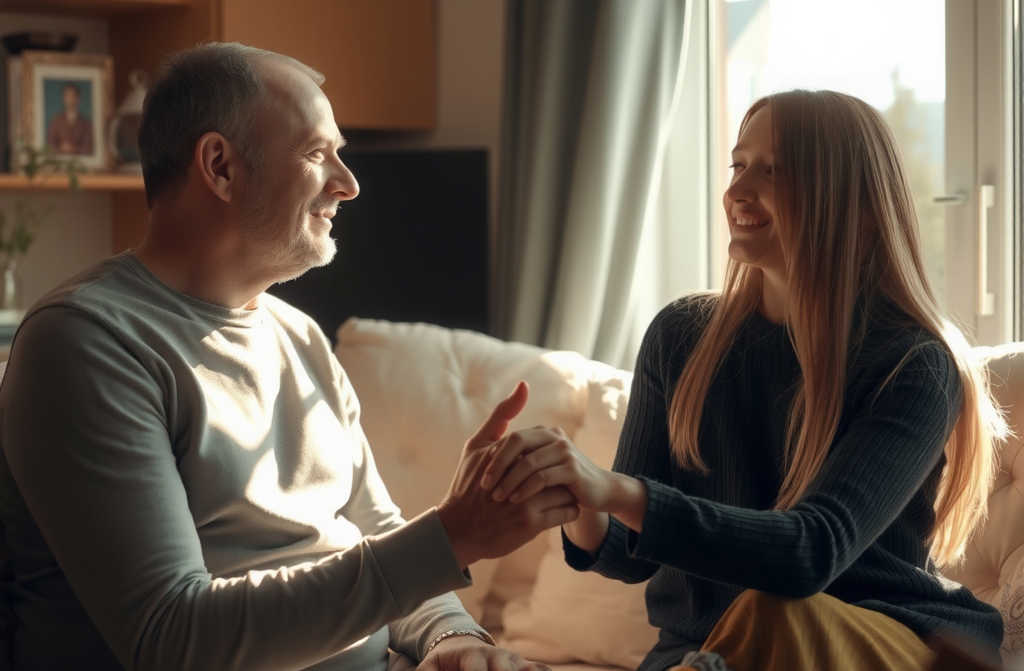
Thomas handed the basket, laid his hand over Sophies. She didnt move.
Margaret returned, poured tea. People with such injuriespregnancy is difficult. Thomas, you know this.
He pushed back his chair, voice strong: Mum, youre not listening. He turned to Sophie. Lets go.
Outside, Sophie was quiet. Autumn gathered around their footsteps like a pageant of gold leaf.
You all right? he asked softly.
She called me dear three times. Thats how you make adults small.
I know.
It didnt work, Sophie said, and in that dreamy, surreal twilight, he felt, for the first time, that shed set him straight within himself.
Margaret phoned two days later, her tone cold as distant stars.
You humiliated me in front of the family.
I spoke the truth.
You made me a monster, among Jean, Brenda, Peterthey all think
They heard what you said.
I was just worried about you!
You insulted Sophie.
I just asked questions!
Mrs. Hughes, said Sophie suddenlyhe realised the phone was on speaker; she must have been sitting beside him, silent until now.
I hear you, Mrs. Hughes. I dont want to win you over. But what youre doing hurts your son. Youre making him choose between us. That choice is already happening.
Silence.
Youre clever, Sophie, Margaret finally said.
That wasnt meant as a compliment. I know.
She hung up.
Thomas turned. Long were you there?
From the start. Sorry.
You did right.
She nodded, and that quiet was honest, necessary.
Weeks passed in a hush. Margaret didnt call. Thomas didnt either; it was the first such silence in his life, strange and undefined.
Shes regrouping, said Sophie one night.
For what?
A next move. Silence isnt surrenderits a change in battleplans.
She was right. Three weeks later, Dr. Wilkins called Thomas to his office: Someone phoned the hospital. Anonymous, but…expressing worry over lifestyle choices affecting professionalism. Just so you know.
My mother, Thomas admitted.
Dr. Wilkins said nothing, then, I didnt say it. And it wont influence anything. But you should know.
That night, Thomas told Sophie.
Escalation, she said. I saw it coming. Sorry.
What now?
Sophie looked at the black window. The London fog hovered outside. Now you choose. I can go. If thats easier.
Dont talk nonsense.
Thomas
No. Thats not a conversation.
She watched him. You know she wont stop?
Yes.
Shell keep at it, new ways, until something breaks.
Or until we leave.
Silence.
What? she asked.
I was offered a job in Manchester. Six months ago. I turned it downfelt tied here, to Mum. But its a good position. Modern centre, fair pay.
Youd leave for her sake?
No. For us. But the fact it gets us free from daily battlesthat helps.
Sophie paused. I dont want you making decisions just because of pressure. Resentment festers.
Im choosing for us, not against her. I want to live with you, where things are good, not familiar.
She nodded, slowly. All right. Lets talk.
They talked till one a.m.money, housing, accessibility in Manchester. Sophie would keep her clients. Shed already considered relocating before all of Margarets antics.
Looks like we both wanted it, Thomas smiled.
Seems so.
A few days later, Margaret phoned, voice sugary: Thomas, can we talk? Ive been hard on you. Perhaps unfair.
He paused. Come round. I have something to tell you.
She came Sunday. Clocked the blue crockery in his kitchen, the dried lavender which was unmistakably Sophies touch.
Sit, Mum.
She sat, Thomas standing.
Im taking the post in Manchester. Sophie and I are moving in two months. I wanted you to hear it from me.
She gazed at him. Because of me.
In part. But not only.
Youre running away.
Im building a life.
Its the same.
Its not, Mum. Running away is living nearby and suffocating. I want to breathe.
A long silence.
Shes going with you?
Yes.
So you live together.
Separate flats for now. Thatll change. I intend to propose, before or afterundecided so far.
She stood at the sash window, spoke to the street: You think I dont love you
I know you do, as youre able. But I cant write life by your script.
My script says she isnt normal. That shell wreck everything.
Thats not borne out by reality.
Youre in loveno objectivity
Im twenty-seven. Im a surgeon. I handle situations where mistakes are fatal. Let me make my choice.
She gathered her bag. Im leaving.
All right.
If you realise youre wrong, dont expect I told you so.
I wont. But I know you will.
She left, and Thomas sat among blue bowls and silence.
He rang Sophie. Shes gone.
How was it?
As always. But I said everything I wanted. And stood my ground.
I can tell, Sophie answered gently.
The move took nearly three months. Thomas wrapped work up, referred patients, Dr. Wilkins shook his hand and wished him well.
Sophie maintained most clients online; found new business in Manchester within weeks.
They rented a second-floor flat, modern build, wide lifts, everything accessible. For a month they kept separate places, then Sophie moved inno occasion, just Sophies things drifted over, and silence acknowledged it.
Thomas proposed in March, at home. No fuss.
Soph.
Yes?
Will you marry me?
She looked up from her emails. Seriously?
Yes.
Now?
Now.
She shut the laptop. All right. But we choose the ring together this time, or youll pick something mad.
Why mad?
You were fine with plain old plates.
Three to choose from!
Exactly.
Together, they chose a small green-stoned ring. Green means rooted, Sophie declared.
He didnt question her dream-logic. He bought it.
Margaret heard of the engagement from Aunt Jean, called Thomas. Soa wedding?
Yes.
Inviting me?
Pause.
If you can behave like family, yes. Not like a supervisor.
Whats like family?
Happy. Not controlling.
Youve changed.
I havent. I just say what I think, now.
She hung up, he didnt return the call.
The wedding was small. Sophies parents, a few close friends, Peter and Mary (Peter murmured, You did right, the day of that lunch. Someone had to say it.).
Margaret didnt attend. Sent a telegram: Best wishes. No signature needed.
Sophie scanned it, set it aside. She managed best wishesthats progress.
You angry?
At her? Sophie considered. No. I pity her. Living so afraid of losing someone that you make it regretfully inevitable.
Not all lost.
But her control is. And thats what she wanted.
Manchester suited them. The clinic was a transformation: new tools, lively debates. Thomas presented at conferences, published articles. Became lead in his department within a year.
Sophies business trebled; she launched an online course in accessible design. Within eighteen months, she led a small teamtwo assistants, freelance talent, all focused on inclusion.
Youve become the go-to name in your field, Thomas mused one evening.
Niche is small.
Important, though.
Yes, she agreed.
Margaret phoned occasionally. Sometimes for advice: a sore knee, the weather. The tone was always proper, precise, as if every syllable stamped approved.
Then one curious call.
I got the address of Sophies firm, Margaret confessed. Sent a negative review. Anonymously. Online.
Thomas was silent.
Mum.
I know. I know it waswrong.
You know they track IP addresses.
I know.
Does Sophie know?
II dont think so.
Later, Thomas told Sophie.
Reviews gone, she said. I reported it. Dead obvious it was fake.
You suspected?
By the grammar, yes. But I wanted to see if youd tell me.
He sat opposite her.
Shes…ill. Not medically illjust…unbearably lonely, and she doesnt know how else to be.
Its no excuse.
No. But its an explanation.
He held her hand. She didnt pull away.
Youre the best person I know.
No, I just wont lose sleep over peoples cruelty. Thats not wisdomits resource management.
He laughed. She smiled.
Margaret didnt call for months. On his birthday, she sent a brief call: best wishes, polite as an address label.
Sometimes, she messaged. How are you? Take care. He replied. Sophie knew; there were no secrets. Shes trying, Sophie said one day. Just her own way, in her own box.
Has she changed?
Sophie thought. Shes tiredthats not the same.
Six months later, Sophie was pregnant. The surreal England of the dream gained a fragile clarity; he heard it in the way she said, Im scared. But mostly happy.
They spoke to every specialist they could find. It was possible, with watchfulness and planning. Everything proceeded as it must.
Sophies parents came down with pasties and hugs and tears. Mr. Cartwright gripped Thomass hand: Were delighted. Still are.
Thomas called his mum.
Were expecting, Mum.
A ten-second gap.
When?
November.
And Sophieshes well?
Yes. All carefully managed, nothing left to chance.
Youll watch over her, Doctor, Margaret replied. Whether pride or plain fact, he couldnt decipher.
Well let you know the date if you want to visit.
A pause.
Ill think about it, she said at length.
He could have told her decisions were hers, that he wouldnt beg, that shed know best. But hed stopped needing to repeat it out loud.
All right, Mum. Think on it.
He entered the lounge where Sophiecurled on the cream sofa, tea in hand, their ginger cat (named October, because Sophie insisted) purring by her feetwas waiting.
I rang Mum, he said.
Heard. How was she?
She said shed think about coming.
Sophie nodded, October clambered onto her stomach, vibrating.
Good or bad? Thomas asked.
Sophie watched the page of her book.
I dont know, she admitted. It just is.
The dream city of Manchester was soaked with autumn. Leaves yellow as old wool. A nip in the air, uncertain if it should settle. Thomas watched Sophie, her hand on her book, the green-stoned ring catching the dim English sun.
Margaret sat in another city, staring from her window at the street where Thomas used to walk home from school, across the dreamlike geometry of memory. She didnt cry. Only watched, as if waiting for the storyany storyto decide what it would become.
Her phone lay quietly beside her.
She didnt answer it.